
![You are currently viewing Cardio vs Weight Lifting [2025]](https://xiglife.com/wp-content/uploads/2025/04/Copy-of-Cardio.png)
Cardio vs Weight Lifting – Which One Actually Burns More Fat in the Long Run?
You’ve probably heard it before: cardio burns fat, weights build muscle. Simple, right?
Well, not exactly.
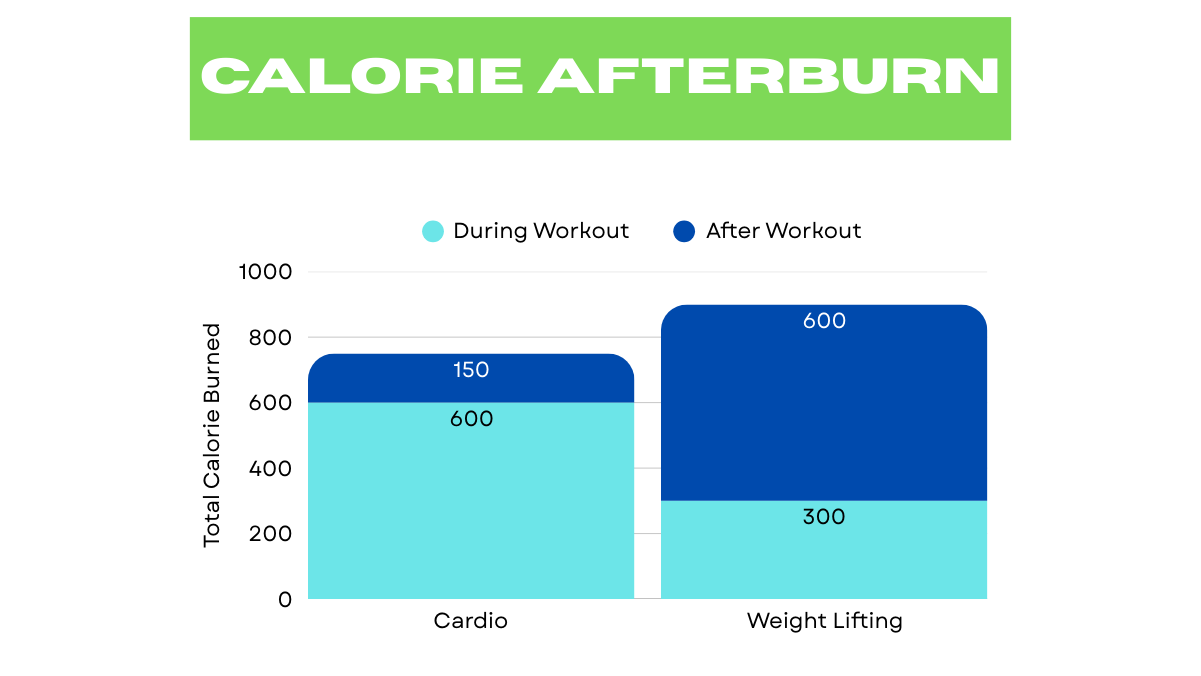
Here’s the thing: Cardio can burn up to 600 calories an hour. Lifting weights? Sometimes less than half that.
So why do so many trainers tell you to grab the dumbbells instead of hitting the treadmill?
Because losing fat isn’t just about what happens during your workout. It’s about what happens after.
In this article, we’ll break down the real fat-burning power of cardio vs weight lifting.
Whether you want to drop belly fat, speed up your metabolism, or just feel stronger, this guide will help you make the right choice.
Table of Contents
Cardio vs Weight Lifting – Quick Comparison
If you’re short on time, Here’s what you need to know.
Cardio burns more calories while you’re actually working out. Think running, cycling, or jumping rope. You’ll see quick results on the scale.
Weight lifting burns fewer calories during the session. But here’s where it gets interesting. After you’re done lifting, your body keeps burning calories for up to 48 hours. Plus, the muscle you build speeds up your metabolism over time.
So what’s the verdict?
If you want fast results in the short term, cardio gets you there. But if you’re after long-term fat loss and a lean, toned body, weight lifting should be your choice.
👉 Verdict: If you want sustainable fat loss and a lean, toned look—weightlifting wins.
Cardio vs Weight Lifting – What Each One Does
Let’s talk about what each type of exercise brings to the table.
Cardio Benefits
- Burns calories fast – You can torch 400-700 calories per hour depending on intensity.
- Strengthens your heart – Great for cardiovascular health and building endurance.
- Easy to start – Perfect for beginners since you can jump right in.
- Shows quick results – The scale moves down faster in the short term.
- Doesn’t build muscle – In fact, too much cardio with low calories can actually make you lose muscle.
- Can slow metabolism – Less muscle means your body burns fewer calories at rest over time.
Weight Lifting Benefits:
- Builds lean muscle – This is something cardio just can’t do.
- Burns calories 24/7 – Muscle is metabolically active, so it burns calories even when you’re resting.
- Triggers the after burn effect – Your body keeps burning extra calories for up to 48 hours after lifting.
- Changes your body shape – You don’t just lose weight, you get stronger and more defined.
- Makes clothes fit better – You get that toned, lean look instead of just being smaller.
- Boosts long-term metabolism – More muscle means faster fat burning over time.
Personal Experience
I used to think cardio was the answer. I’d run five days a week, watch what I ate, and sure enough, the number on the scale went down.
But here’s what I didn’t expect. I also felt weaker. My clothes didn’t fit the way I wanted. And I was tired all the time.
Then I switched things up. I started lifting weights three to four times a week. I added more protein to my diet and focused on recovery. The results were completely different.
I didn’t just lose fat. I built a body I actually felt good in. My energy went up, my posture improved, and I started seeing muscle definition I’d never had before.
That experience taught me something important. The scale doesn’t tell the whole story. How you look, feel, and perform matters way more.
Here’s what really happened when I stopped doing cardio and focused only on lifting—the results might surprise you.
💡 Pro tip: If you’re combining lifting with clean eating, I highly recommend checking out the 21-Day Smoothie Diet. It’s more than just smoothies—it’s a reset for your digestion, inflammation, and energy levels. Great if you want to lean out faster without starving yourself.
Cardio vs Weight Lifting – Cost Breakdown
Let’s talk money.
Cardio is usually cheaper. You can run outside for free, jump rope in your living room, or follow YouTube videos. If you want variety, a gym membership or fitness class subscription will cost you, but it’s not required.
Weight lifting can cost more upfront. You will need access to weights, whether that’s a gym membership or buying dumbbells and a bench for home. But here’s the thing: it’s a long term investment. The muscle you build keeps working for you, even on rest days.
So while cardio might save you money now, lifting gives you better long-term returns for fat loss and body transformation.
Cardio vs Weight Lifting – Pros & Cons
| Feature | Cardio 🏃♂️ | Weight Lifting 🏋️ |
|---|---|---|
| Fat Burn (Short-Term) | ✅ Burns more calories during the workout | ❌ Lower calorie burn during the workout |
| Muscle Gain | ❌ Doesn’t build muscle | ✅ Builds lean muscle (boosts resting metabolism) |
| Afterburn Effect (EPOC) | ❌ Minimal after burn effect | ✅ High (burns more calories post workout) |
| Long-Term Fat Loss | ⚠️ Requires consistency to maintain fat loss. | ✅ More sustainable due to muscle mass |
| Heart Health | ✅ Great for Heart Health | ✅ Improves heart health under resistance |
| Body Recomposition | ❌ Less effective | ✅ Helps reduce fat and build muscle together |
| Time Efficiency | ✅ Great for quick calorie burn | ⚠️ Takes time to learn and progress |
| Beginner Friendly | ✅ Easy to start (e.g., walking, running) | ⚠️ Requires proper form and guidance |
Alternatives – Why Not Both?
You don’t have to pick just one. In fact, combining both can give you the best of both worlds.
Here are some smart ways to blend cardio and weight lifting:
HIIT workouts mix short bursts of intense cardio with rest periods. You get your heart rate up while also challenging your muscles. Plus, HIIT triggers that same afterburn effect as lifting.
Circuit training combines strength exercises with minimal rest in between. You’re lifting weights, but your heart rate stays elevated the whole time. It’s efficient and effective.
Bodyweight training uses your own body as resistance. Think push-ups, squats, lunges, and planks. Great for beginners, and you can do it anywhere.
The key is balance. You don’t want to burn yourself out with too much cardio or ignore your heart health by only lifting. Find what works for your schedule and goals.
⚡ If you’re strength training and want an added edge, check out Electroslim. It’s a natural metabolism booster designed to complement resistance training. Many users say it helped them break through stubborn fat-loss plateaus.
Even with the perfect workout split, it’s easy to overlook the small daily behaviors that sabotage results. These 7 everyday habits might be silently killing your fat loss progress—don’t let them.
Other Relevant Categories
| Goal | Best Option |
|---|---|
| Quick weight loss | Cardio |
| Sustainable fat loss | Lifting |
| Tone and shape | Lifting |
| Stress relief | Cardio |
| Boost metabolism | Lifting |
Conclusion: Who is the Winner? Cardio or Weight Lifting?
Your goal matters more than the debate itself. So let’s match each exercise to what you’re trying to achieve.
Quick weight loss: Cardio takes this one. If you need to drop pounds fast for an event or just want to see progress right away, cardio will get you there.
Sustainable fat loss: Weight lifting wins. Muscle keeps your metabolism high, making it easier to maintain your results.
Toning and shaping your body: Weight lifting, hands down. Cardio makes you smaller, but lifting actually reshapes your body.
Stress relief: Cardio can be meditative, especially activities like running or cycling outdoors.
Boosting metabolism: Weight lifting is the clear winner here. More muscle equals more calories burned at rest.
If you want a no-fuss approach to fat loss using weightlifting, this simple formula helped me lose 20 pounds and keep it off– and it can work for you too.
The Bottom Line
If you love running or cycling, and you want quick results, cardio is a solid choice. It’s effective, accessible, and works.
But if you want to lose fat, keep it off, and build a body that looks and feels strong, weight lifting is your best bet. It doesn’t just burn calories. It transforms your entire body composition.
And honestly? You don’t have to pick just one. A mix of both is often the smartest approach. Just make sure you’re prioritizing what matters most for your goals.
Start with three days of lifting per week, add in some light cardio or walking, eat whole foods with plenty of protein, and give it time. Consistency beats perfection every single time.
Frequently Asked Questions (FAQ)
Which is better: cardio or weight lifting?
Weight lifting is better for long-term fat loss because it builds muscle, which increases your resting metabolic rate. Cardio burns more calories during the workout, but lifting keeps your metabolism elevated for hours afterward.
Do you lose weight faster with cardio or weight training?
Cardio often leads to quicker weight loss in the short term because it burns more calories per session. However, weight training helps build muscle, which increases your resting metabolic rate, making it easier to keep the weight off long term.
Can I skip cardio and just lift weights?
Yes, especially if your main goal is fat loss and muscle definition. Lifting weights with a clean, calorie-controlled diet can be incredibly effective. Adding some light cardio (like walking or cycling) can still support heart health and recovery.
Is cardio or weights better for belly fat?
Neither one targets belly fat specifically. But weight lifting is more effective at reducing overall body fat because it builds muscle and boosts metabolism. Cardio can help create a calorie deficit, but lifting changes your body composition.
How many times a week should I lift weights for fat loss?
3-4 times per week is ideal for most people. Focus on full body workouts with compound movements like squats, deadlifts, and presses. Combine that with a solid nutrition plan to see the best results.
Should I do both cardio and weight lifting?
If you have the time and energy, combining both can give you a balanced approach. Just make sure you’re not overtraining. A common split is 3 days of lifting, 2 days of cardio. Always prioritize recovery.
Why does lifting help burn more fat after workouts?
Lifting weights triggers the “after-burn” effect (EPOC), meaning your body continues to burn calories even after the session ends. Plus, more muscle means a higher resting metabolic rate, your body becomes more efficient at burning fat even when you’re doing nothing. This process can burn calories for up to 48 hours post-workout.
What should I eat to support fat loss with weight training?
Focus on whole, nutrient-dense foods: lean protein, healthy fats, complex carbs, and fiber. To speed up results, a structured meal plan like the 21-Day Smoothie Diet can help you reduce inflammation, control cravings, and support lean muscle retention.